 |
| STANDARD DATA: Seats: 6; Gross weight: 5,500 lbs.; Empty weight: 3,135 lbs.; Fuel capacity: 160 gal.; Engine: 410 hp Pratt & Whitney Wasp radial. PERFORMANCE: Top speed: 138 mph; Cruise speed: 102 mph; Landing speed: 55 mph; Initial climb rate: 900 fpm; Range: 850 nm; Service ceiling: 17,000 ft. |
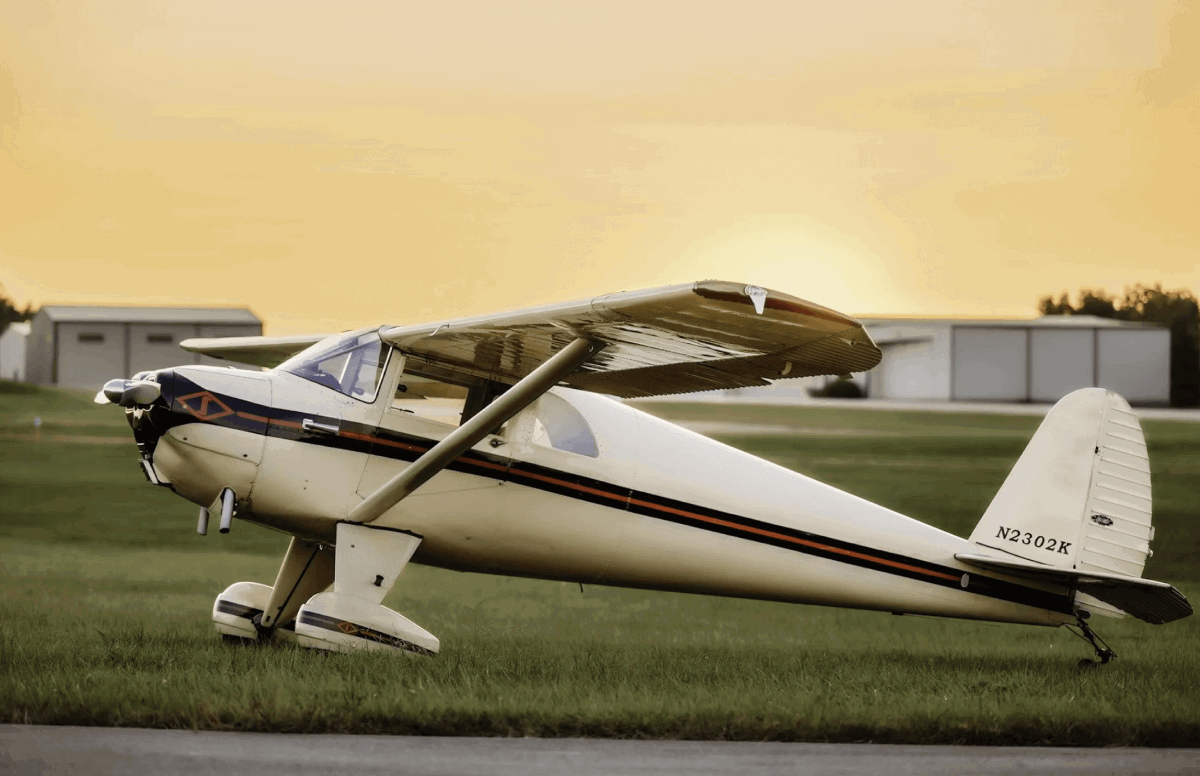
The Fairchild 71 was designed as an improved version of the popular FC-2W2 and was first introduced in 1928. In the following year, Fairchild Aviation Limited began building this six-passenger lightweight commercial airplane in Canada, designating it the Model 71C and 71CM. The Model 71CM differed from the 71C with its metal fuselage skin (rather than the standard fabric covering). All Fairchild 71s are of mixed construction with wooden wings and steel-tube fuselage structures. The enclosed cabin houses six passengers and a pilot. The pilot is in a single seat at the front of a cabin that narrows considerably at the nose.