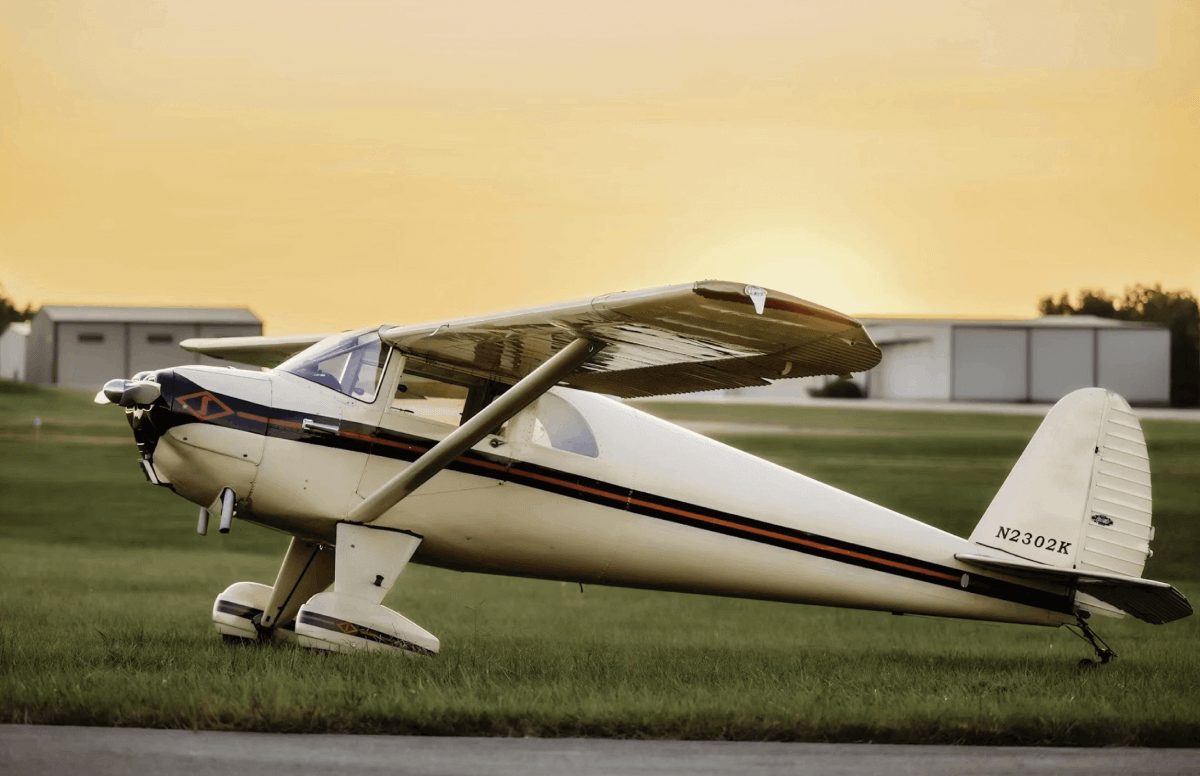











Largest fleet of single-engine aircraft in U.S.: Civil Air Patrol (CAP)
Fleet: 560
Primary aircraft: Cessna 172s & 182s
Date chartered: December 1, 1941
Members: 61,066
Are you an aviation enthusiast or pilot? Sign up for our newsletter, full of tips, reviews and more!
Inland SAR missions performed by CAP: 90%
Successful rescues last year: 158
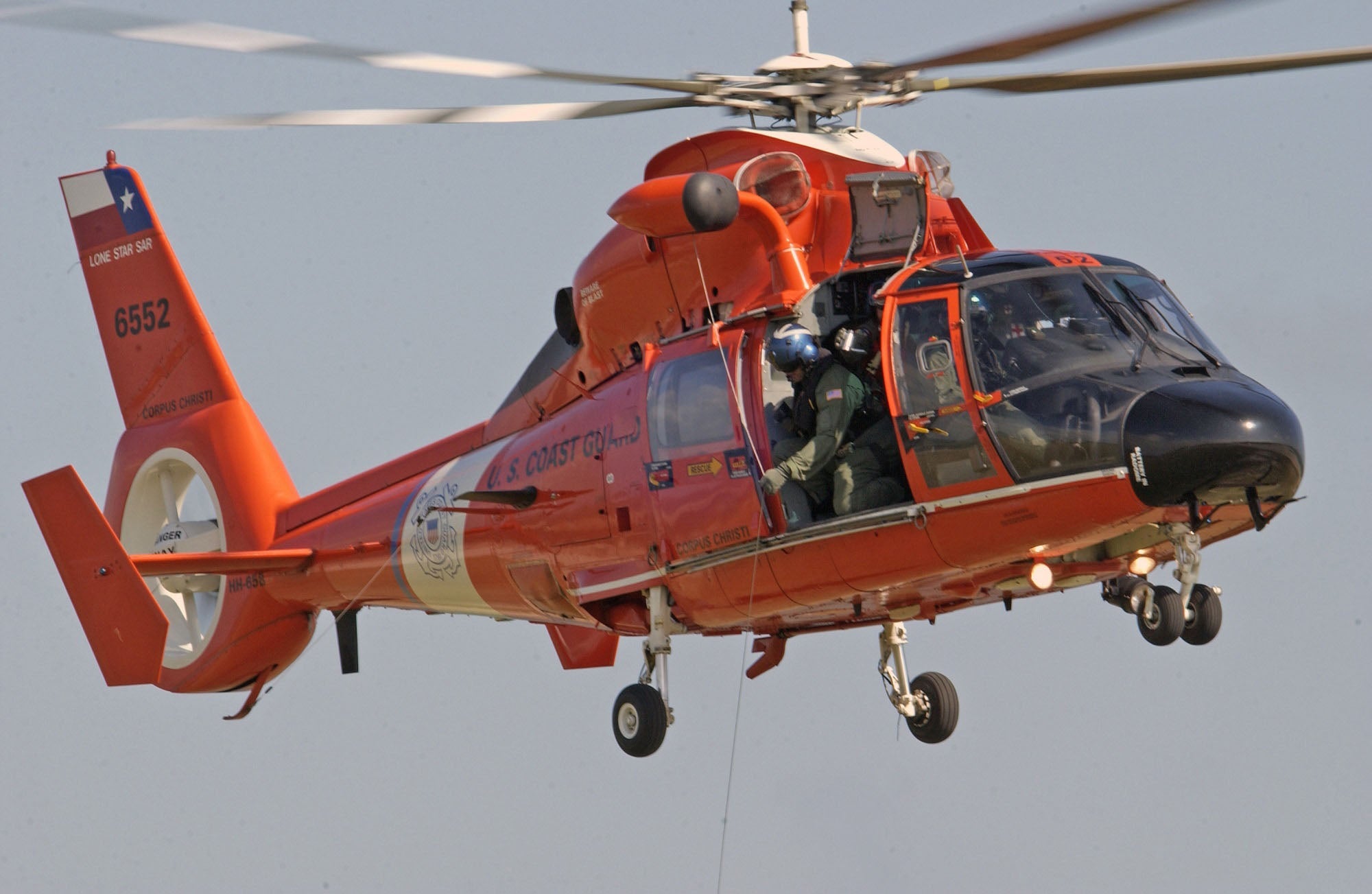
Over water missions carried out by: U.S. Coast Guard
Emergency locator transmitter (ELT) activations: 8,898
Actual distress cases: 112
False-alarm rate: 98%
Main cause of false alerts: Mishandling during testing and maintenance
Activation rate in actual crashes, 121.5 MHz models: 12-25%
Rate with newer 406 MHz models: 73-83%
Location precision of 121.5 MHz vs. 406 MHz ELTs: 12 mi. vs. 330 ft.
Average rescue time for aircraft with functioning ELT: 6.8 hrs.
Without ELT: 40.7 hrs.
Without ELT and no filed flight plan: 42 hrs. 24 min.
Location precision for personal locator beacons (PLBs): ~300 ft.
Frequency: 406 MHz
Temperature range for operation: -40°F to 131°F
ELT & PLB signal transmission length: At least 24 hrs.
U.S. National Park Service SAR incidents in 2018: 3,453
Successful rescues: 1,008
Primary aircraft: Cessna 206, Bell 206 B3
Cost of last year’s air ops: $920,246
Average SAR flight hours logged/year: 1,600
Activity requiring most rescues: Hiking
Most common age of victims: 20-29 yrs.
Second most common: >60 yrs.
Celebrity known for park service SAR missions: Harrison Ford
Aircraft: Bell 407 helicopter
Successful rescues: 2; missing Boy Scout & distressed hiker
Awkward moment for rescued hiker: Vomiting in Harrison’s hat
Newest aircraft used by Park Service: Drones
Worldwide rescues by drone to date: At least 133
Time advantage of victims found via drone vs on foot: 3.18 minutes
Average cost of SAR drone: $25,000-$35,000
Largest SAR mission in history: Malaysia Airlines Flight 370 disappearance
Search area: 1,800,000 sq. mi.
Countries that deployed aircraft for initial search: 14
Aircraft deployed: 58
Days spent searching: 1,046
Crash sites found: 0
Historic shipwrecks found: 2