










VFR

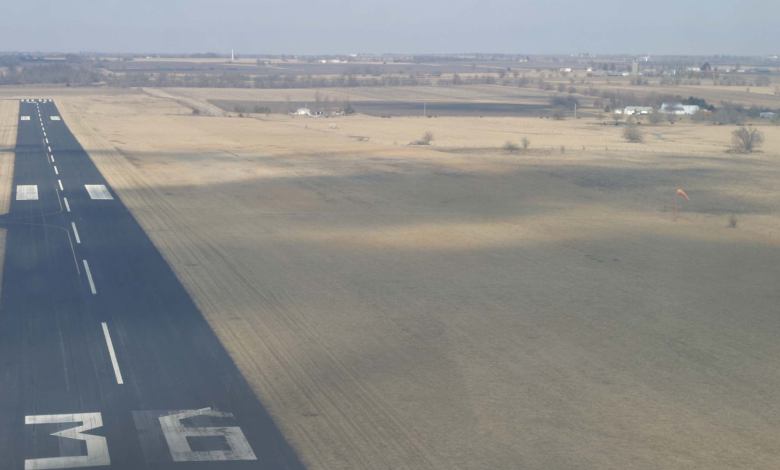
New Honeywell Technology Means Safer Approaches
“Can you accept the visual?” It is not uncommon for air traffic control to pose this question to pilots on IFR flight plans approaching certain airports when the weather is VFR. In daylight, when the visibility is good, the winds calm, and the pilot familiar with the airport—and the approach is a straight in—the visual […]
The 47th Air Race Classic: Route Announced
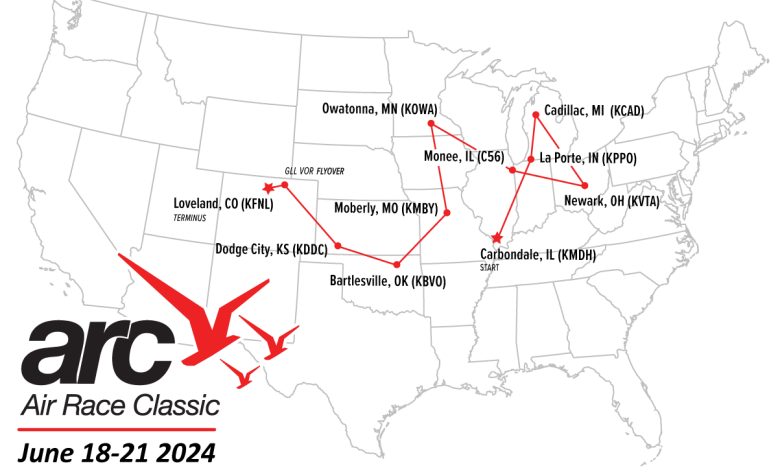
Women aviators from the U.S. and across the globe are set to embark on the 47th Air Race Classic (ARC) on Tuesday, June 18, commemorating the 95th anniversary of the historic Women’s Air Derby. The race covers a challenging 2,628-statute-mile route across 11 states, with the finish line awaiting at Northern Colorado Regional Airport in […]

Good, Bad, and the Really, Really Ugly of Flying Weather
Categorizing the day’s flying weather requires understanding the acronyms being tossed about. You’ll hear fellow pilots talking about the weather being IFR or VFR, with VFR being good and IFR being bad. I’ve always felt that VFR and IFR refer to the operating rules, as in the visual flight rules under which the flight will […]
Navigating Smoke, a Murky Topic for Aviators
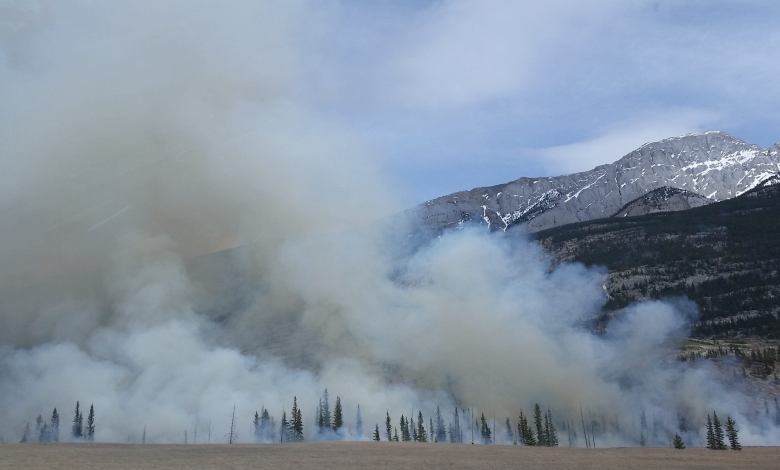
Given the dozens of forest fires burning out of control in southeastern Canada, mainly in Quebec and Nova Scotia, I have received many inquiries from my followers about how to deal with smoke from an aviation perspective. First and foremost, smoke can present a hazard to all pilots, but especially those flying under VFR. Smoke […]

New Rules Coming for Alaska Air Tours?
The National Transportation Safety Board (NTSB) published a letter urging the FAA to develop and implement new airspace regulations for Ketchikan, Alaska, a popular air tour area. The proposed framework of regulations would be, according to the NTSB release, “…specific to Ketchikan to require more conservative flight visibility minimums and enhanced weather training for air […]